
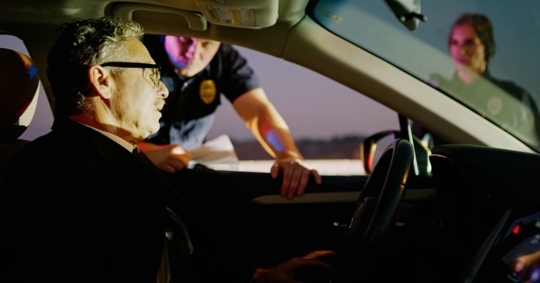
A DUI traffic stop can be stressful, particularly when you are unsure why an officer pulled you over or what will happen next. A traffic stop is not automatically lawful simply because an officer suspects impaired driving. Wisconsin law places limits on when police may stop a vehicle, and questions about how the stop began can become important in a DUI case. Understanding these potential challenges can help you recognize why the circumstances surrounding the initial stop deserve careful attention.
When Can Police Stop a Vehicle in Wisconsin?
Police generally need reasonable suspicion that a crime or traffic violation has occurred, is occurring, or may occur before making an investigative traffic stop. This standard does not require an officer to already have enough evidence for an arrest, but it does require more than an unsupported hunch. Courts examine the totality of the circumstances to determine whether the officer had a reasonable basis for the stop.
For example, an officer may consider observed driving behavior, information from another motorist, or other specific facts that suggest a traffic violation or impaired driving. The circumstances known to the officer at the time of the stop are particularly important when determining whether the initial detention was justified.
Common Challenges to a DUI Traffic Stop
Several issues may arise when examining whether a Wisconsin DUI traffic stop was lawful. The specific facts of the encounter determine whether a challenge may be appropriate.
Insufficient reasonable suspicion: An officer may not have had enough specific facts to justify stopping the vehicle.
Unreliable information: A report from another driver or witness may need to be evaluated based on the reliability and detail of the information provided.
Unlawful expansion of the stop: Even when the initial stop is valid, questions may arise if police extend the detention beyond its original purpose without sufficient legal justification.
A court evaluates the circumstances as a whole rather than relying on one isolated fact. Wisconsin case law recognizes that even relatively minor driving behavior must be considered within the broader context of the encounter.
How the Initial Stop Can Affect the DUI Case
The beginning of a DUI investigation can influence everything that follows. After a traffic stop, an officer may question the driver, observe behavior, request field sobriety testing, and pursue chemical testing. If the initial detention was unlawful, evidence obtained as a result may become subject to a legal challenge.
This does not mean that every questionable traffic stop will result in dismissal of a DUI charge. Instead, the legality of the stop is one issue that should be examined alongside the remaining evidence. Wisconsin courts recognize challenges involving the initial stop, field sobriety testing, and chemical testing as distinct areas that can affect how DUI evidence is treated.
Evidence Used to Evaluate the Stop
Reviewing the evidence from a DUI stop can help determine whether the officer had a sufficient legal basis for the initial detention. Police reports, recordings, witness statements, and other records may provide important information about what occurred before and during the stop.
Important details may include:
Reason for the stop: The stated reason for pulling the vehicle over and the facts supporting it.
Officer observations: Driving behavior, traffic violations, or other circumstances observed before the stop.
Timing and sequence: What the officer knew before making the stop and what occurred afterward.
These details can matter because reasonable suspicion is evaluated based on the facts and circumstances available to the officer when the stop occurred.
What Happens If the Stop Is Challenged?
A challenge to a DUI traffic stop may involve asking the court to examine whether the officer had the required legal justification. If a court determines that a stop or subsequent detention violated constitutional protections, certain evidence may potentially be excluded from consideration. The effect of a successful challenge depends on the evidence involved and the specific circumstances of the case.
Because DUI investigations can involve several separate stages, reviewing the entire sequence is important. A problem with the initial stop may be only one part of a broader defense strategy involving questioning, sobriety testing, chemical testing, or the arrest itself.
Protecting Your Rights After a DUI Stop
A DUI case can become more complicated when questions arise about how the investigation began. At Melowski & Singh, LLC, DUI defense is all we do, and our attorneys have been helping people fight DUI charges since 1993. Our team has had more than 1,000 DUI cases dismissed or reduced and provides personalized attention to the circumstances of each case.
If you want to understand whether issues with the traffic stop could affect your Wisconsin DUI case, contact Melowski & Singh, LLC through our online contact form or call (920) 294-1414 to discuss your legal options.