
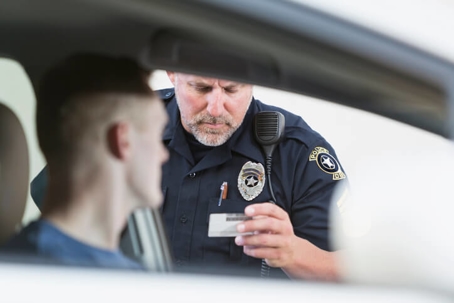
Facing an Operating While Intoxicated (OWI) charge in Wisconsin can be overwhelming, especially if a chemical test was refused during the traffic stop. Many people in this situation feel uncertain about what happens next, how their driver’s license could be affected, and whether their future opportunities are at risk. This guide walks through what to expect, the laws at play, and the steps to consider.
If a refusal has already occurred, act quickly—time is limited. Reach out today through our online contact form or call (920) 294-1414 for guidance.
Understanding Wisconsin’s Implied Consent Law
In Wisconsin, anyone who drives on public roads automatically gives “implied consent” to chemical testing (breath, blood, or urine) if law enforcement suspects intoxication. Refusing that test is not simply declining—it triggers its own set of consequences.
Police officers are legally required to inform drivers of the potential penalties for refusal, including license suspension and separate charges. Understanding this framework is the first step in making informed decisions.
What Happens Right After a Refusal
The refusal process moves quickly. Once a chemical test is declined, officers must follow specific legal procedures. Here’s what typically happens:
- Notice of Intent to Revoke – Officers issue a notice explaining that the driver’s license is at risk of revocation.
- Temporary Driving Permit – A temporary license, usually valid for 30 days, is issued.
- Administrative Review Process – The driver has a short window to request a hearing to challenge the refusal.
Missing the deadline for a hearing request can mean automatic license loss, which makes swift action essential.
Administrative Suspension and License Consequences
Refusing a chemical test can lead to immediate and significant driver’s license penalties—even before the OWI case is resolved.
- A first refusal often results in a one-year revocation of driving privileges.
- A second refusal can lead to a two-year revocation.
- A third refusal carries a three-year revocation.
In addition, those facing refusal penalties may also be required to install an ignition interlock device. More information about this process is available on our chemical test refusal and administrative suspension page.
The Connection Between Refusal and DUI Charges
Some people believe refusing a test avoids giving prosecutors evidence. However, refusing a test does not mean avoiding an OWI charge. Instead, prosecutors may argue that the refusal suggests awareness of intoxication.
Additionally, Wisconsin law allows prosecutors to pursue charges without a chemical test result by relying on officer testimony, field sobriety tests, or other observations.
Requesting a Refusal Hearing
Drivers who refuse a chemical test have a limited amount of time—usually just 10 days—to request a refusal hearing. This hearing is critical because it provides the only chance to challenge whether the officer followed the law during the stop and the refusal process.
Possible issues raised at a hearing may include:
- Whether the officer had a valid reason to stop the vehicle.
- Whether the officer properly informed the driver of their rights and the consequences of refusal.
- Whether the refusal was clear or if there was confusion during the process.
A hearing can be the difference between keeping driving privileges and facing a lengthy revocation.
Criminal Penalties for Refusal
A refusal charge in Wisconsin is treated as its own offense. That means, beyond license consequences, criminal penalties may apply, including:
- Fines that increase with subsequent refusals.
- Mandatory alcohol assessment and driver safety programs.
- Possible jail time for repeat refusals.
Because these penalties build on one another, a single refusal can impact future charges and lead to harsher consequences if another OWI arrest occurs.
Why Legal Guidance Matters
Navigating an OWI refusal case is complex. Between administrative deadlines, criminal penalties, and the impact on daily life, the process often feels overwhelming. Many people worry about:
- Losing the ability to drive to work or school.
- Damaging their professional or personal reputation.
- Facing financial strain from fines and program requirements.
Legal guidance helps ensure every possible avenue is explored to protect rights, preserve driving privileges, and address both immediate and long-term consequences.
Protecting Your Future After an OWI Refusal in Wisconsin
An OWI refusal case in Wisconsin moves fast, with strict deadlines and serious consequences. Anyone facing this situation should act quickly to protect their license and future opportunities.
DUI Defense Help Is Available Now
If a refusal has been charged, there is no time to waste. Contact Melowski & Singh, LLC through the online contact form or call (920) 294-1414 to discuss the next steps. Immediate action can make a meaningful difference.